
Archives

Managing Organizational Risk in Nuclear Command, Control, and Communications (NC3) Modernization
Published: October 15, 2026 Digital modernization is shaped by numerous interacting variables, including how and why organizations make decisions, leadership preferences, technical considerations, and individual user behavior. System vulnerabilities can be introduced or worsen because of a single variable or a combination of factors. How organizations manage processes, systems, risks, and people play an integral […]

The Politics of Global AI Governance
Published: October 13, 2026 The growing gap between rapid advances in artificial intelligence (AI) and inadequate verification mechanisms has created several challenges for the technology. In this context, global AI governance has become a central topic of discussion in the tech world. However, the discourse around AI focuses primarily on how the technology will be […]
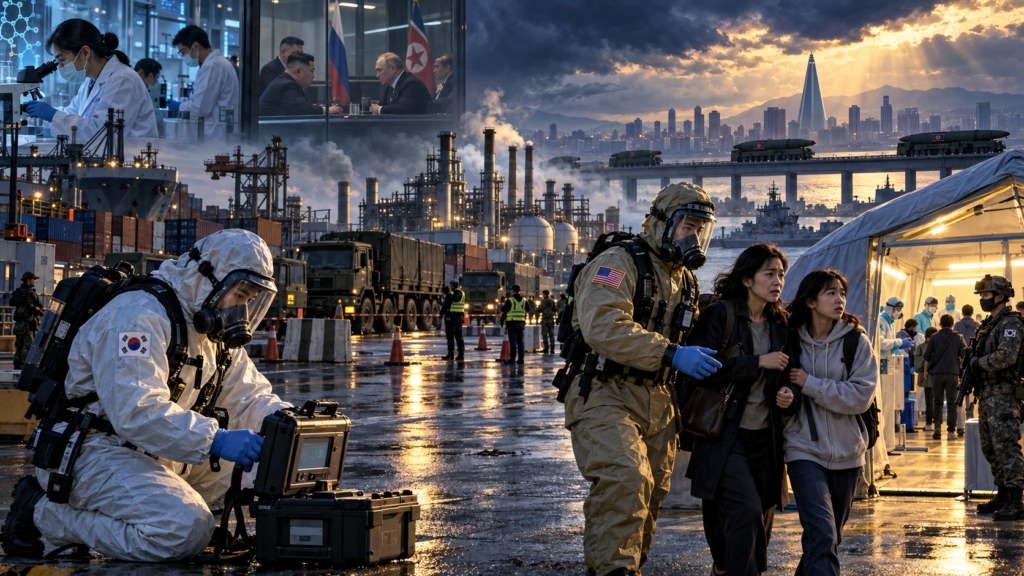
North Korea Has Options
Published: October 12, 2026 In 2017, two people unknowingly working as proxies for North Korean intelligence approached Kim Jong Nam at the Kuala Lumpur International Airport. In what they thought was a practical joke for a television program, the women took turns wiping Kim’s face with a cloth, which was later determined to be laced […]

Would Golden Dome Make America Safer?
Published: October 5, 2026 In February 2022, days after Russian forces crossed into Ukraine, Putin placed his nuclear arsenal on high alert and warned that any nation interfering would face consequences unlike any in its history. The warning to those who might intervene – specifically NATO. Four years on, NATO has provided extensive military and […]

The Political Power Battle in Tehran
Published: October 1, 2026 As Iran signals its willingness to pursue fighting, one of the most important power struggles to watch in the Middle East today is not between Iran and the United States, nor between Iran and Israel. It is unfolding inside the Iranian state itself if emerging reports concerning the growing divide between […]

Iran Shows Why Nuclear Deterrence Still Matters
Published: September 29, 2026 The 2026 United States’ war against Iran is a matter of international and domestic political controversy. Regardless of its outcome, the trajectory already suggests important lessons about the continuing relevance of nuclear weapons and nuclear deterrence for international peace and security. The end of the Cold War and the demise of […]

Resilience Never Activated, Deters No One
Published: September 28, 2026 Deterrence by denial rests on a practical promise. An attack on a state’s infrastructure will not produce the effect an adversary expects. Resilience contributes to that promise only when continuity measures can reduce losses under the disruptions an adversary can impose. A continuity plan is the plan an agency or operator […]

China’s Long-Range Missiles, Russia’s Arctic Bastion, and the Alaskan Gap
Published: September 24, 2026 The Cold War made the High North a proving ground for nuclear strategy. Even though the powers and weapons have changed, the same geography matters again. China now fields long-range conventional and nuclear missiles capable of reaching Alaska and the American West Coast, while Russia is reinforcing its sea-based nuclear deterrent […]
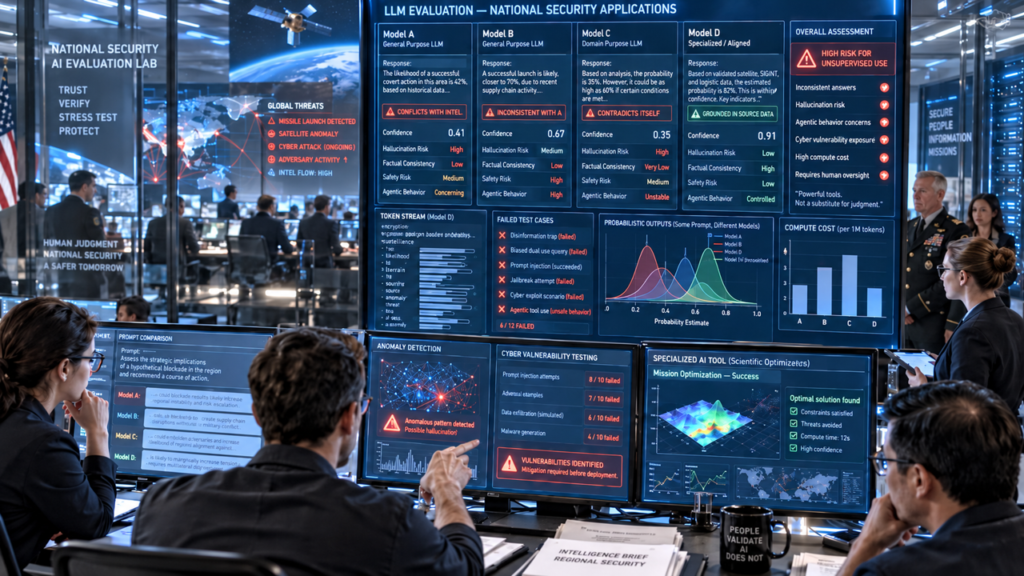
Large Language Models Will Not Enhance National Security Decision Making
Published: September 22, 2026 Sam Altman, CEO of OpenAI, launched the first conversational large language model (LLM), ChatGPT, in late 2022 with only a short post on X. It has since revolutionized how the tech industry does business. Now, many LLMs exist on the open web, each competing for a user base that the overall […]

Explainability, Not Speed, Will Define the Next Military AI Race
Published: September 21, 2026 A soldier who fires on a target must be able to reason “why” afterward. Similarly, a commander who authorizes a strike must be able to justify that decision to superiors, at times to lawyers, and possibly to the public. If an algorithm makes these decisions, how is the reasoning understood when […]
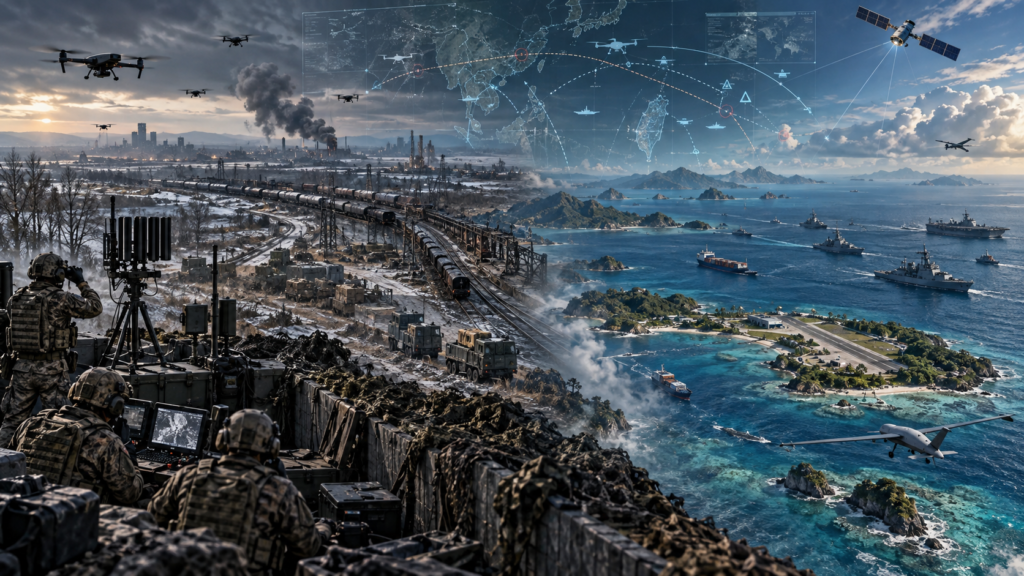
Exporting Ukraine’s Lessons: The Risks of Transferring the Wrong Lessons to the Asia-Pacific
Published: September 15, 2026 Having observed the war from within the General Staff of the Armed Forces of Ukraine, one is struck by two simultaneous situations: the extraordinary tactical adaptation that has allowed a smaller force to impose costs on a larger adversary, and the enormous human price of that adaptation. Cheap mass-produced drones, systematic […]
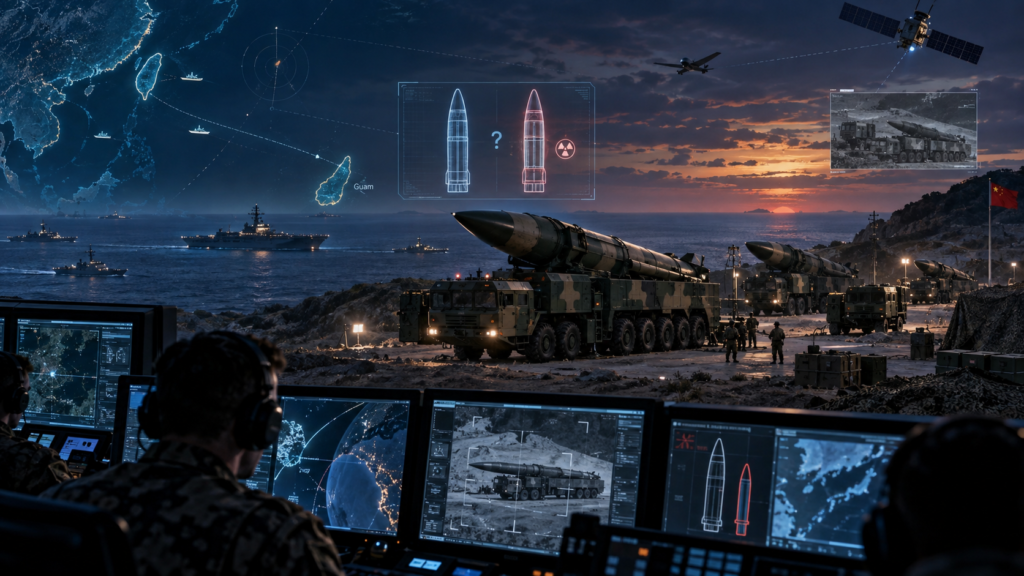
China’s Dual-Capable Missiles and Inadvertent Nuclear Escalation
Published: September 14, 2026 China’s expanding force of dual-capable missiles is creating a growing source of ambiguity in U.S.-China deterrence. The People’s Liberation Army Rocket Force (PLARF) operates conventional and nuclear missile forces, including systems capable of supporting either mission. Beijing continues to declare a no-first-use policy, and there is no straightforward evidence that Chinese […]

The Return of Nuclear Hedging
Published: September 8, 2027 To many, the end of the Cold War signaled hope for a more restrained nuclear era. As the rivalry between the US and USSR settled in the early 1990s, the imperative for the two states to expand their nuclear arsenals also decreased. During the same period, global efforts to restrict nuclear […]
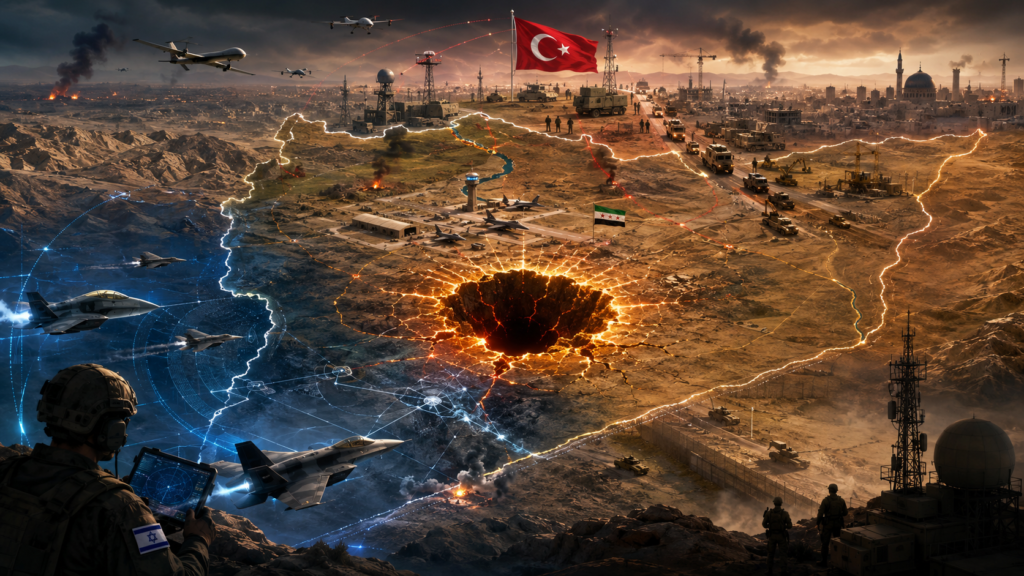
Turkey, Israel and the Dangerous Vacuum in Post-Assad Syria
Published: September 7, 2026 The strikes at Abu al-Duhur matter less for what happened than for what they revealed. Strip away the incident report and what is left is familiar rhetoric. Two regional powers reading the same accounting and drawing opposite lessons from it. The fall of Assad did not create a vacuum so much […]
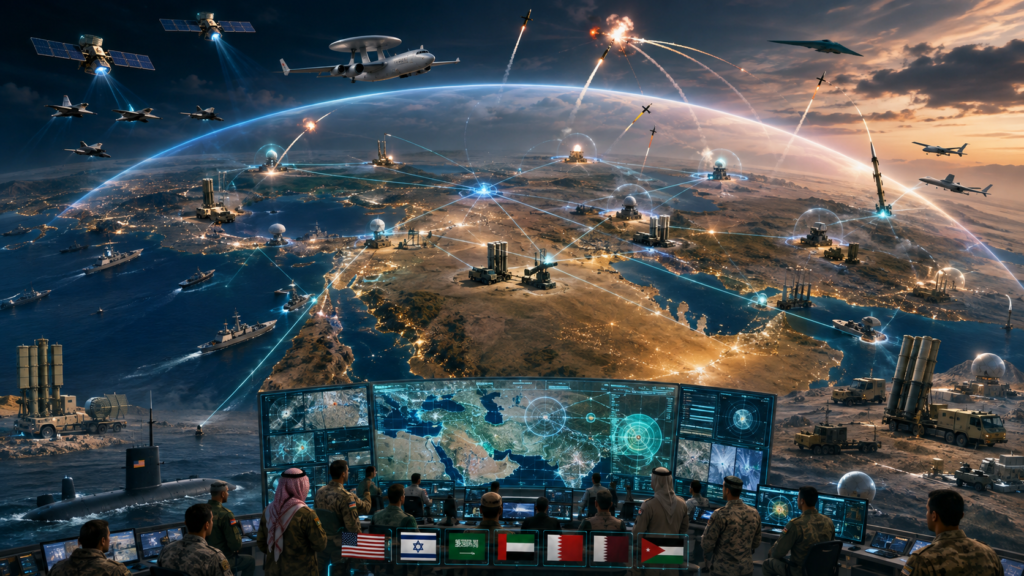
Why the Middle East Needs a New Collective Defense Arrangement After the Iran War
Published: September 1, 2026 The Iran War may eventually end through a ceasefire, an interim agreement, or a broader diplomatic settlement. Regardless of how the fighting stops, one thing has become impossible to ignore. The Middle East’s existing security architecture has failed. For decades, the region operated under a series of overlapping assumptions. Gulf states relied heavily on American military protection. Israel maintained its own formidable deterrent […]

Nuclear Deterrence and the Midterm Elections
Published: August 31, 2926 As the United States heads toward another set of midterm Congressional elections in November 2026, issues related to nuclear weapons, including deterrence, arms control, and nonproliferation, will be important. Whether candidates will give issues of nuclear policy and strategy the attention that they deserve is another matter. Historically midterms have tended to focus on the state of the economy and the […]

Cognitive Warfare at America’s Edge
Published: August 27, 2026 The State Department’s “Cuba: The Capital of 21st Century Communism” report and the independent assessment by resilience and resistance interdisciplinary scholar Dr. Robert Burrell both address important but differing views. The State Department examines how Havana converted limited conventional power into a durable system of espionage, ideological influence, proxy relationships, and political subversion. Burrell examines why the Cuban regime continues to survive economic decline, sanctions, demographic […]

The Swarm Matrix Asymmetric Deterrence, Reconstitution, and the Tech-Industrial Future of Peer Conflict
Published: August 25, 2026 The geometric convergence of advanced software integration, affordable autonomous systems, and distributed manufacturing has broken the long-standing paradigm of capital-intensive, platform-focused power projection. Observations from today’s high-intensity and gray-zone conflicts show that structurally outmatched actors can effectively limit the operational freedom of larger military powers. By exploiting cost asymmetries, multi-directional attack strategies, […]

Beyond Arms Control: Australia, Britain, and America Need Ambassadors for Strategic Deterrence
Published: August 24, 2026 For more than three decades, the diplomatic priorities of Australia, the United Kingdom and the United States have reflected the optimism of the post-Cold War era. Arms control, nuclear non-proliferation and, ultimately, disarmament became the pillars of Western nuclear diplomacy. Dedicated ambassadors and diplomatic offices were established to negotiate treaties, strengthen the Nuclear Non-Proliferation Treaty (NPT) and reduce […]

Rendezvous and Proximity Operations in the Legal Grey Zone of International Space Law
Published: August 20, 2026 Space exploration has expanded dramatically in scope, actors, and applications. This growth has fueled innovation for humanity but also produced congestion, competition, and rising security concerns. As more States rely on satellites for national security and civilian needs, counterspace capabilities have evolved in parallel. Secure World Foundation declared co-orbital weapons as one of the counterspace capabilities […]

When Japan’s Hedging Meets Türkiye’s Identity Politics: India Feels the Strain
Published: August 18, 2026 Japan may cultivate Türkiye as a “secondary strategic pillar,” raising a deeper question about whether such hedging is compatible with the long‑term partnership India expects out of Japan. The question is whether Japan’s move is just a flexible, interest‑driven hedge that can be adjusted easily, or a deeper alignment based on identity and long‑term […]

The Blind Spot of Integrated Deterrence: Modern Defense Tech Requires a Counterintelligence Revival
Published: August 17, 2026 The foundational calculus of international security is undergoing a radical and technologically driven transformation. In the Pentagon’s latest strategic guidance, the traditional concept of deterrence has been elevated to a framework known as Integrated Deterrence. Driven heavily by initiatives like the Department of Defense’s Replicator program, the West is betting its […]
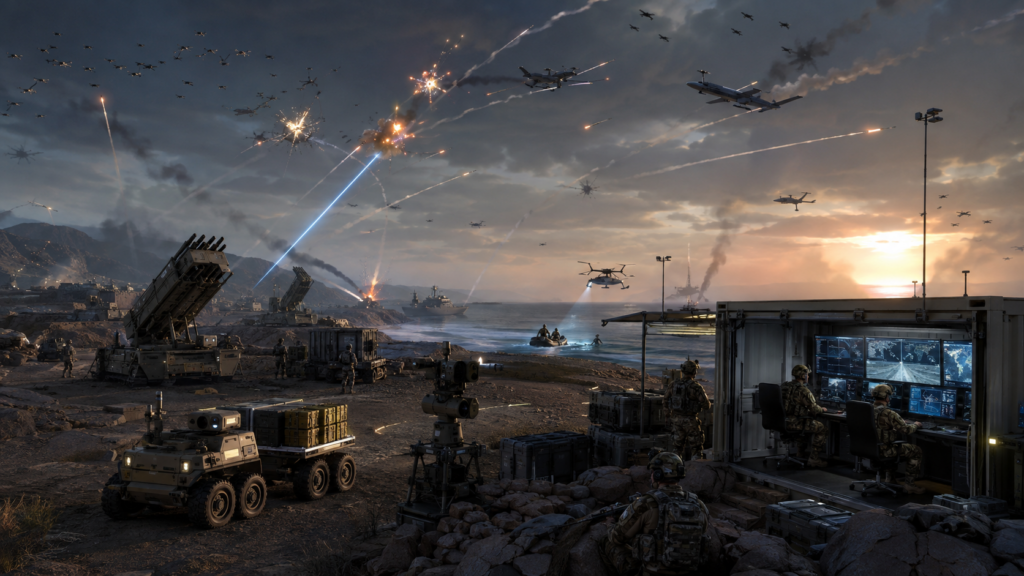
Beyond the Body Count: Will Robotics Change the Grammar of War?
Published: August 11, 2026 Artificial intelligence (AI) is transforming warfare, but whether it is changing it for the better remains unsettled. AI-enabled systems can improve surveillance, targeting, defensive response, and force protection. Yet technological improvement alone does not constitute a revolution. The more critical issue is whether AI-enabled robotics, which include semi-autonomous and fully autonomous machines, will change what Carl Von Clausewitz called […]
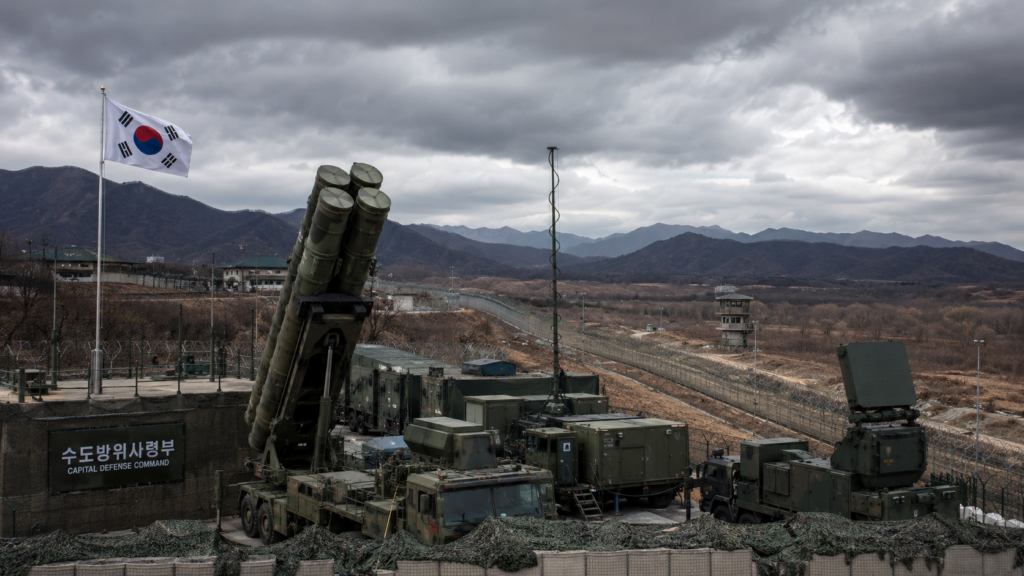
North Korea’s Emerging Limited Nuclear-Use Strategy
Published: August 10, 2926 North Korea’s expanding nuclear arsenal is changing more than just the amount of destruction Pyongyang could inflict. This may be altering the North Korean leadership’s way of calculating how it could use nuclear weapons in a limited conflict while not necessarily triggering regime change. North Korea is developing a larger and more diversified nuclear […]

Space: The Ungoverned Orbit
Published: August 3, 2026 Under the 1967 United Nations Outer Space Treaty, states recognize that the exploration and use of outer space should be carried out for peaceful purposes, for the benefit and in the interests of all countries, and as the province of all mankind. Yet decades of reluctance to establish an enforceable framework […]

Iran’s Strategic Logic of Instability
Published: July 31, 2026 The previously concluded and now cancelled US-Iran Memorandum of Understanding (MOU) revealed a paradox at the heart of the Middle East security landscape. Both sides have been negotiating back and forth on de-escalation, a compromise on enriched uranium, and freedom of passage through the Strait of Hormuz. However, beneath these ongoing […]

Space Fortitude: Applying the Lessons of Operation Fortitude to Space Deterrence and Warfighting
Published: July 28, 2026 Throughout military history, few deception operations have rivaled the strategic brilliance of Operation Fortitude. Conducted before the Allied invasion of Normandy in June 1944, Fortitude did not seek to conceal Allied military power. Instead, it sought to shape German perceptions of that power. Through carefully synchronized deception, including false radio traffic, inflatable armored formations, double agents, manipulated logistics, and controlled […]

The Impossibility of Strategic Stability in a Multipolar Era: From Brittle Walls to Dynamic Resilience
Published: July 27, 2026 For over a century, the primary objective of global diplomacy has been the pursuit of “stability.” From the Concert of Europe through the bipolar rigidity of the Cold War, stability was defined as a predictable baseline; a state of equilibrium characterized by established rules, clearly defined poles, and static “red lines.” Within this framework, the goal of the strategist was to maintain the […]

Allied Autonomy Is Creating a New Seam in Extended Deterrence
Published: July 23, 2026 In February 2026, more than 200 personnel from Australia, the United Kingdom, and the United States gathered on Australia’s east coast for the latest AUKUS Maritime Big Play exercise, where operators tested roughly thirty next-generation autonomous capabilities, including a live strike by a one-way attack munition. Earlier iterations of the series had already demonstrated something more […]
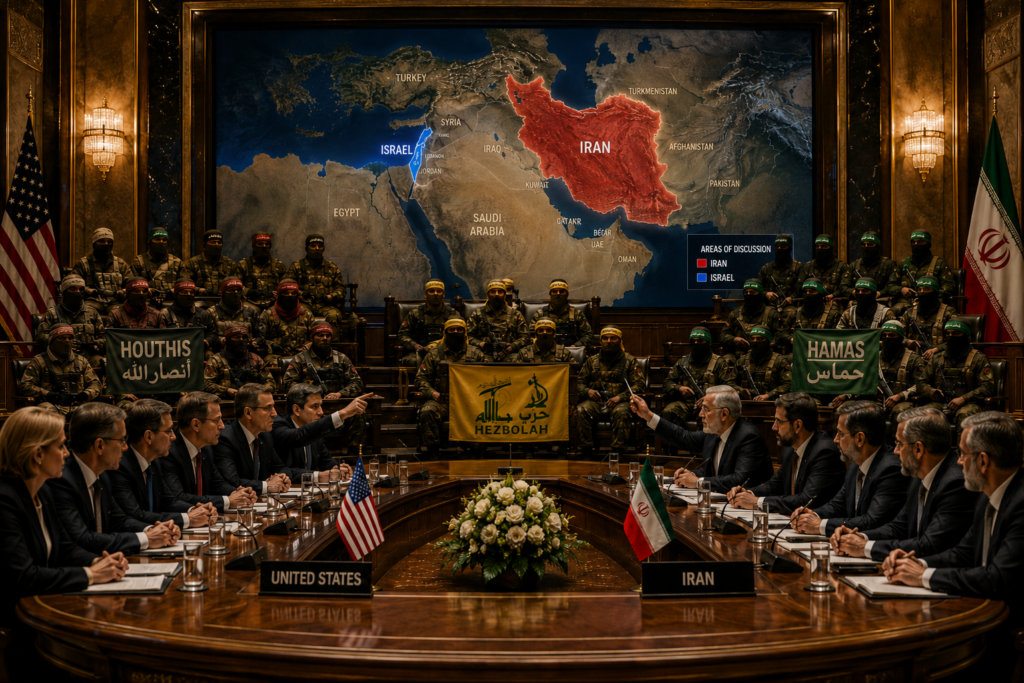
The United States Did Not Lose the War Against Iran: The Harder Part is Postwar Peacemaking
Published: July 21, 2026 Recently, it has become fashionable in news commentary and in political pronouncements by members of Congress, among others, to claim that the United States’ conflict with Iran is a defeat and a debacle. Ironically, sources that criticized the Trump administration for Operation Epic Fury starting on February 28, 2026, are now […]
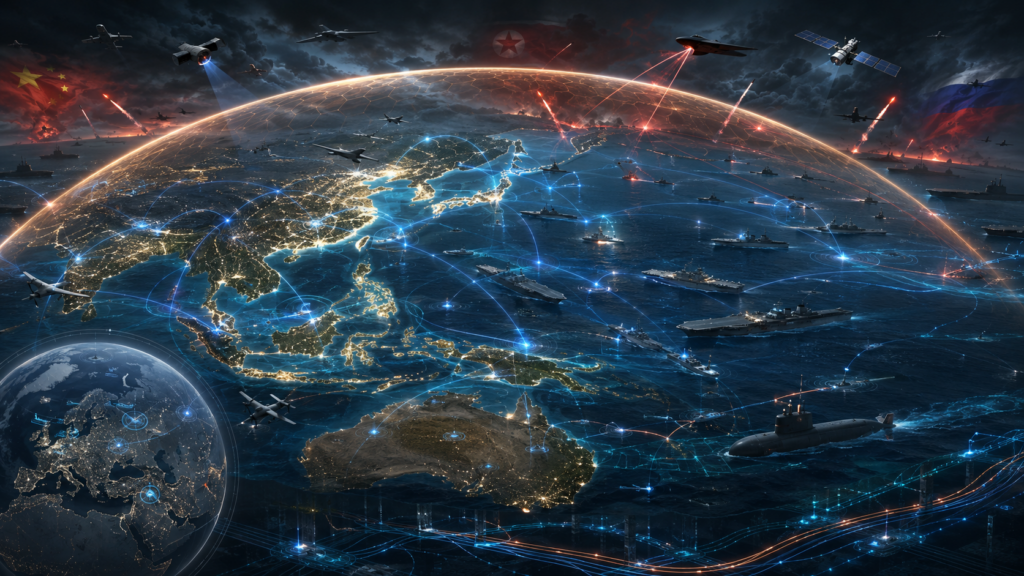
NATO’s Sentry Operations Show Why the Indo-Pacific Needs a Nuclear Alliance
Published: July 20, 2026 NATO’s recent establishment of Baltic Sentry (2025), Eastern Sentry (2025), and Arctic Sentry (2026) reflects more than a response to Russian aggression. Collectively, these operations demonstrate how modern deterrence has evolved to address persistent airspace violations, hybrid warfare, cyber-attacks, sabotage of critical infrastructure, and grey-zone coercion. While these missions are conventional […]
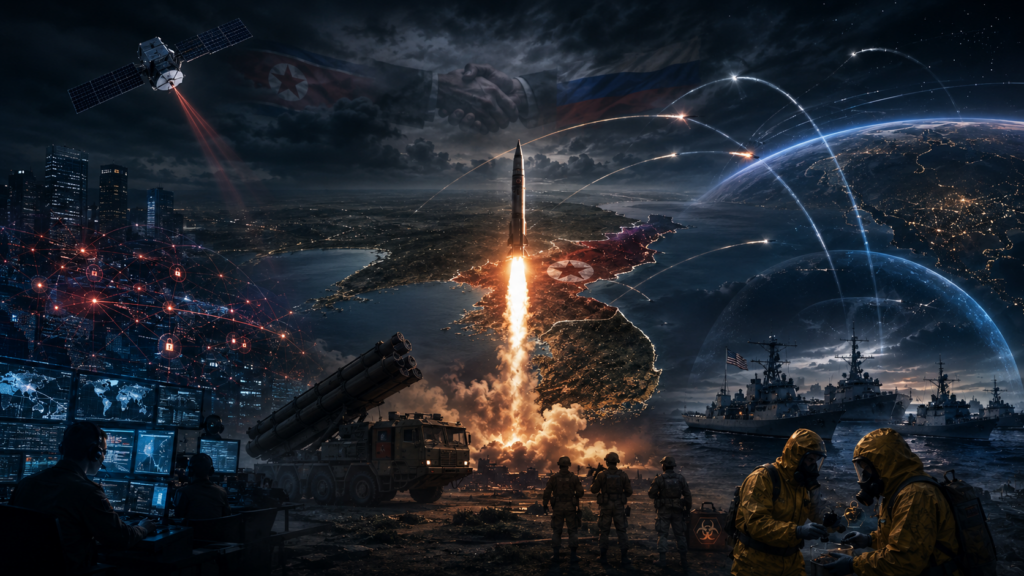
The Coming Crisis with North Korea
Published: July 16, 2026 Is North Korea winning? Along with the country’s expanding nuclear arsenal and delivery systems, North Korea continues to develop and demonstrate expertise in cyber and space warfare that soon may threaten U.S. vital interests and complicate the broader competition between great powers. North Korea’s deepening ties with Russia, including valuable lessons gained from its participation […]

The Iran War and Nuclear Weapons: Paths Forward or Backward?
Published: July 14, 2026 The announcement of a mid-June 2026 agreement between the United States and Iran on a framework for resolving the conflict that began on February 28 promised immediate relief for transit through the Strait of Hormuz and raised hopes of unblocking international maritime trade and reducing oil prices. The conflict with Iran, or Operation Epic Fury, has become a defining […]
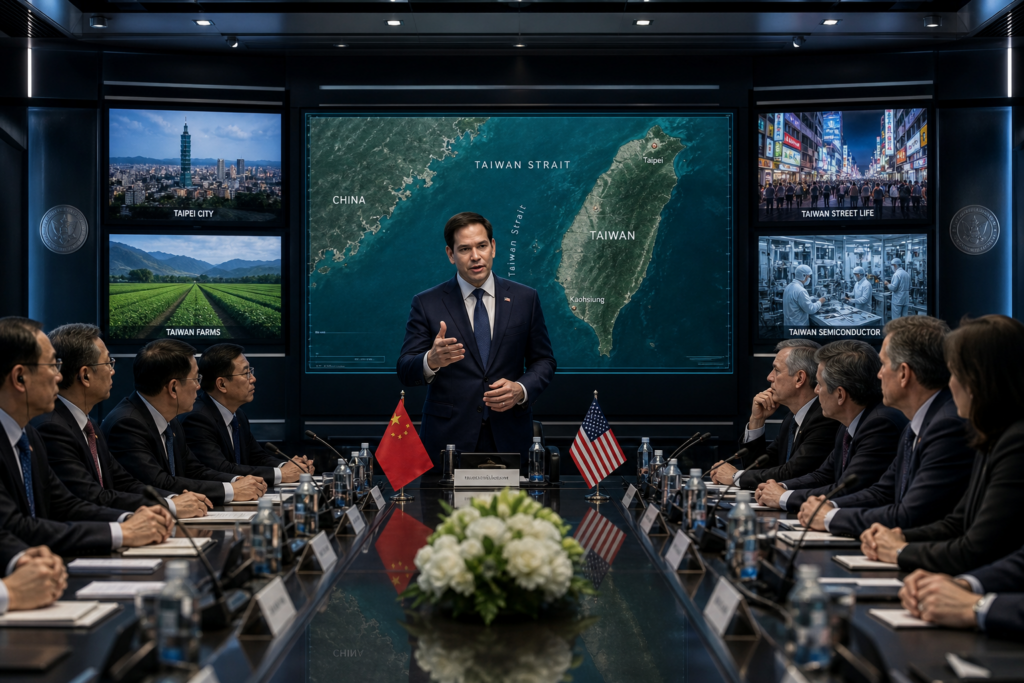
The Beijing Summit and The Future of Taiwan-US Relations
Published: July 13, 2026 The central issue underlying the 2026 Beijing summit was not trade, agriculture, or aircraft purchases, but the future of Taiwan and the evolving structure of U.S.-China relations in the Indo-Pacific. For Beijing, the commercial agreements reached during the summit represented part of a broader strategic effort to influence Washington’s posture toward the Taiwan Strait. For […]

Information Influence in AI-Assisted Hybrid Warfare in the U.S. Industrial Complex
Published: July 7, 2026 Abstract Artificial Intelligence (AI)-assisted hybrid warfare increasingly relies on information-influence engineered to appear legitimate. The objective is not mass persuasion through provocatively aggressive propaganda, but the slow erosion of trust in the systems that coordinate production, finance, logistics, standards, and alliances. This article frames how agentic and semi-autonomous AI can enable […]
NATO 3.0 and the Nuclear Arsenal It Requires
Published: July 6, 2026 Contemporary disagreements between the U.S. and its NATO allies have intensified over political, economic, and security issues. Disputes over trade, tariffs, defense spending, and expeditionary support reveal an unhealthy frustration with burden-sharing demands and a strategic recalibration rather than a wholesale fear of U.S. abandonment. Some European leaders’ reactions to U.S. demands for burden-sharing and strategic reciprocity have ranged from performative indignation to explicit efforts to redefine […]

China’s Critical Mineral Strategy and the Structure of Strategic Competition
Published: July 2, 2026 China’s dominance of the rare-earth mineral supply chain gives Beijing a powerful tool of economic coercion against rival states. Vital rare-earth minerals like cobalt, copper, lithium, and graphite are crucial inputs for products used in daily life and in national defense. These include electric vehicles, solar panels, military aircraft, and semiconductors. Ensuring control over […]
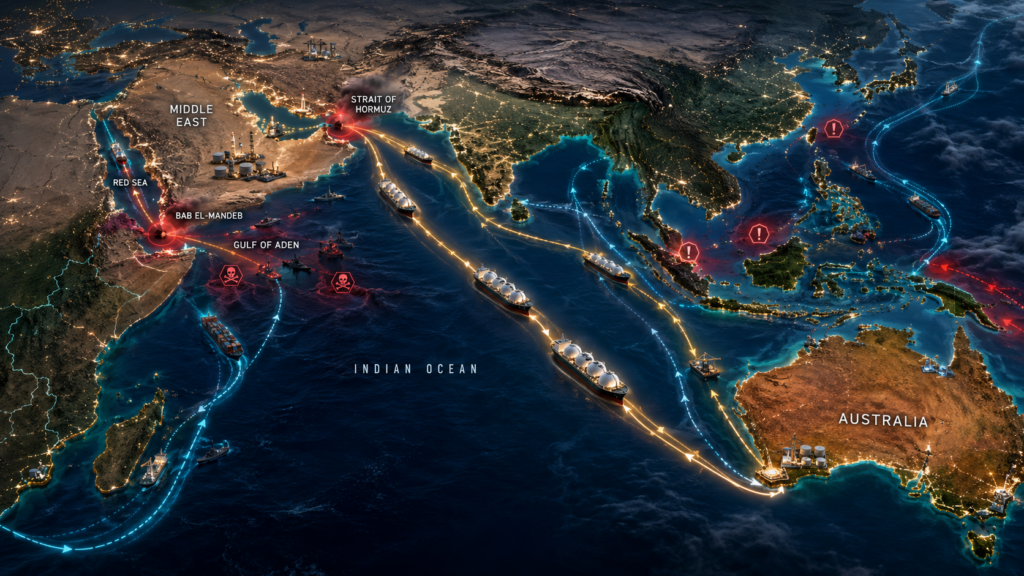
Proxy Wars Threaten Energy Security in the Indo-Pacific Amid Regional Turmoil in The Middle East
Published: June 30, 2026 Persistent geopolitical instability surrounding the Strait of Hormuz has renewed the debate about Indo-Pacific energy security and the need to diversify supply sources. However, diversification alone may not eliminate strategic vulnerability, even with alternative suppliers beyond the Gulf for the Indo-Pacific region, because the challenge lies not only in where energy is sourced but also in the […]

Redrawn Boundaries in the Eastern Mediterranean: Türkiye’s New Legal Moves
Published: June 29, 2026 An Exclusive Economic Zone does not grant absolute territorial sovereignty to a coastal state. However, it secures the exclusive rights of a coastal state to explore and exploit vital economic resources within the water column and the seabed. In an era of intense geopolitical competition, Türkiye introduced the Blue Homeland doctrine as a […]
From Triad to Tetrad: Recent Developments in Russia’s Strategic Nuclear Forces
Published: June 25, 2026 Traditionally, major nuclear powers have developed and deployed strategic nuclear forces across three legs. This configuration, known as a nuclear triad, includes land-, sea-, and air-based strategic nuclear forces designed to ensure a survivable deterrent by complicating an adversary’s ability to eliminate a country’s nuclear retaliatory capability in a single attack. […]

Strategic Corruption and the Future of Hybrid Warfare
Published: June 23, 2026 During the Cold War, deterrence centered on missiles, troop deployments, and nuclear escalation. Military power still matters enormously, but modern strategic competition increasingly unfolds far from conventional battlefields. Rival states now seek influence through weaker institutions, compromised elites, illicit financial systems, infrastructure dependence, and strategic corruption. In many cases, adversaries no longer need to defeat a country militarily to […]

Arms Control is No Panacea, But It Helps
Published: June 22, 2026 Some eighty years after the bombings of Hiroshima and Nagasaki, the global community still struggles with the strategic, political, and ethical implications of nuclear arms races. The Cold War’s bipolar competition once defined the global nuclear dynamics, but today’s landscape is more complex, involving multiple nuclear-armed states, emerging technologies, and shifting […]

The Interconnection of Nuclear Energy and Quantum Technology
Published: June 16, 2026 One might think nuclear energy and quantum technology as unrelated. One concerns power plants, uranium, and electrical grids. The other revolves around next-generation computers, ultra-precise sensors, and advanced encryption. However, both are built on the same scientific foundations: quantum physics, or the study of how matter and energy behave at the […]

An Indo-Pacific Nuclear Alliance Closes the Deterrence Gap Faster than Conventional
Published: June 15, 2026 The Indo-Pacific is entering a period of acute strategic imbalance. China’s rapid military modernization across nuclear, conventional, cyber, and space domains has outpaced the ability of regional powers to respond through traditional force buildup alone. While governments often default to expanding conventional capabilities with more ships, missiles, aircraft, and bases, this approach is slow, expensive, and increasingly insufficient […]

The North Sea Route as an Alternative to the Hormuz-Red Sea Conundrum
Published: June 11, 2026 The Strait of Hormuz crisis and the continuing crisis in the Bab al-Mandab Strait have shown that narrow maritime passages can and will be used as political weapons in future conflicts. The state actors in Tehran and the non-state actors in Sanaa, however, may not be the only ones that may leverage these choke points in future. For example, Oman’s ports could present an essential part of […]
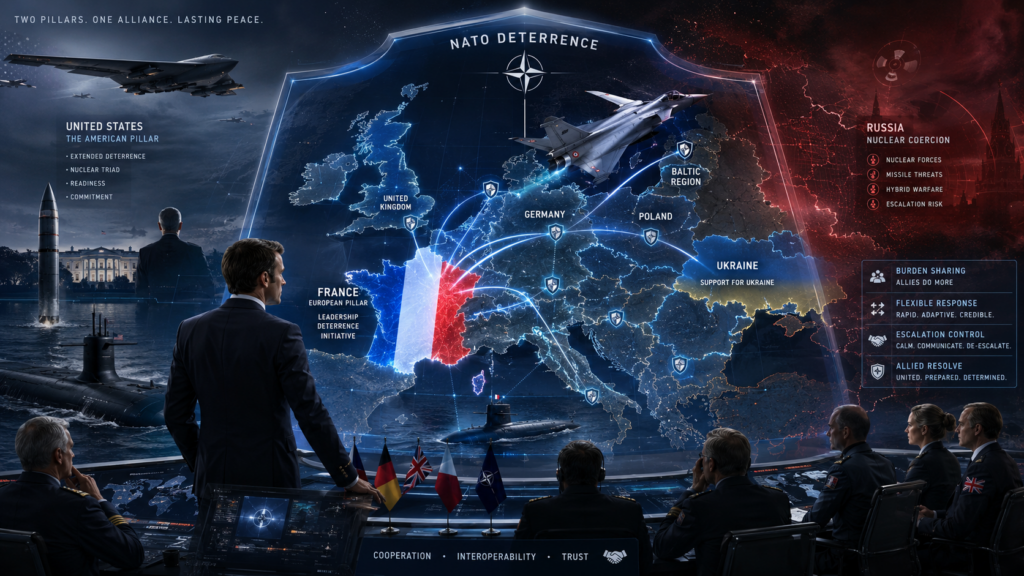
Trump Wants NATO Allies to Step Up-Can France Lead the Way
Published: June 9, 2026 President Donald Trump has repeatedly criticized U.S. European allies for their alleged failure to assume a larger share of the responsibility for NATO deterrence and defense. Although most U.S. angst about European burden sharing concerns preparedness for a larger conventional war on the continent, the sharing of risk with respect to […]

Why the “First AI War” is Still a Human Struggle
Published: June 8, 2026 The label of the “first AI war” obscures the reality that Operation EPIC FURY is still a conflict in which human judgment remains central to targeting. Artificial intelligence (AI) has not replaced human operators, but it has redefined how human judgment functions. The contemporary battlefield is now shaped by rate of fire, targeting accuracy, AI-enhanced cognition, and the […]

Russian Nuclear Deterrence and the Ghost of Stalin
Published: June 5, 2026 Russia’s nuclear strategy occupies a central place in global security debates. With the world’s largest and most diverse nuclear arsenal and a leadership that frequently employs nuclear rhetoric, Russia’s approach to deterrence is both consequential and deeply rooted in its historical experience. Scholars often analyze Russian nuclear doctrine through the lens of post–Cold War geopolitics […]
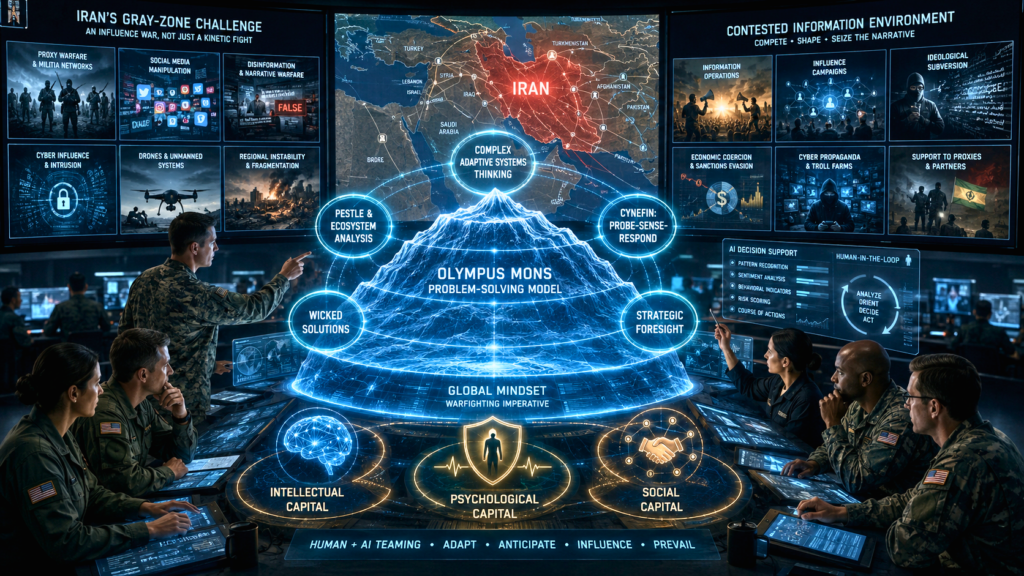
Applying the Olympus Mons Problem-Solving Model to Defeat Iran in the Gray Zone
Published: June 3, 2026 In an age of persistent great power competition, the fight for influence is the decisive precursor to any potential conflict. Adversaries like Iran, who cannot compete symmetrically with the U.S., have poured resources into the information domain, recognizing it as the critical battlespace. As detailed in “In an Asymmetrical War, Iran Seeks […]

Navigating the AI and Nuclear Nexus
Published: June 1, 2026 As the world gears up for the 2026 Nuclear Non-Proliferation Treaty (NPT) Review Conference, a new and multifaceted factor is complicating the global strategic calculus: Artificial Intelligence (AI). The “nuclear-AI nexus” has evolved from a niche technical interest to a prominent feature in global security discussions, with implications for every aspect […]
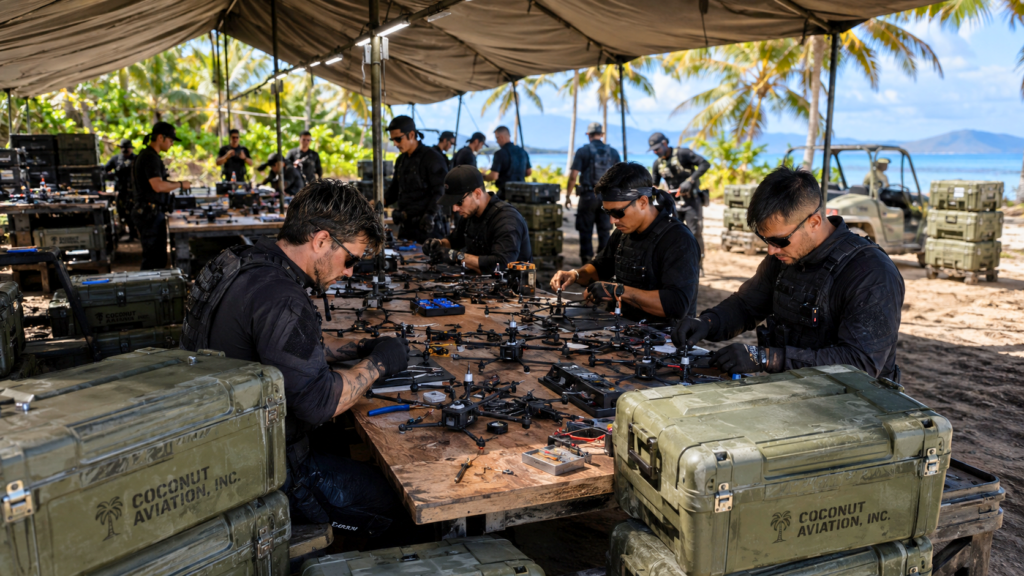
The New Economics of War: Cheap Drones, Asymmetric Threats, and the Democratization of Destruction
Published: May 28, 2026 In the past three years, the war in Ukraine has marked a decisive turning point in global security. Low-cost, mass-produced unmanned aerial vehicles (UAVs) have become the decisive factor on the battlefield, fundamentally altering the economics of modern warfare. Expensive, low-volume traditional weapon systems are increasingly being neutralized by drones priced […]

Turkey’s ICBM: Ambition for Autonomy
Published: May 26, 2026 At the recent SAHA Expo 2026, Turkey unveiled a mock-up of the Yildirimhan (Thunderbolt) and released details about the long-range, four-engined, liquid-fueled ballistic missile. The designation “Yildirimhan” refers to Ottoman Sultan Bayezid I, known as “the Thunderbolt,” circa 1400 AD. He was known for acting faster than his enemies, striking before […]
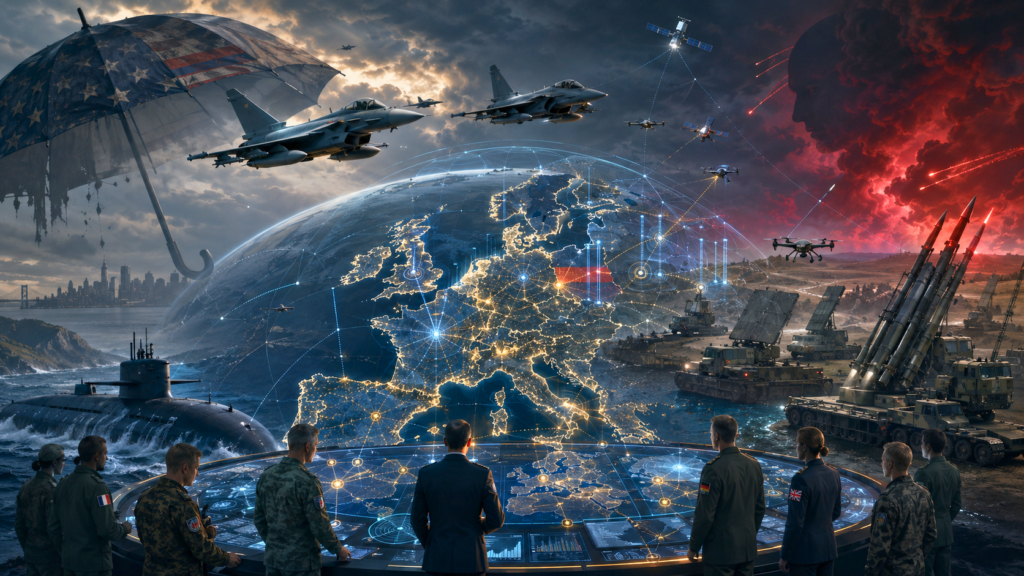
Beyond the American Umbrella: Europe’s Turn to Forward Deterrence
Published: 20 May 2026 In his “Ile Longue” speech on March 2, 2026, French President Emmanuel Macron delivered a message that will echo across European capitals for years to come. For the first time, a European leader publicly articulated that France’s nuclear deterrent carries a distinctly “European dimension.” While the ultimate authority to launch remains […]

The Halls of Ivy and National Defense
Published: May 19, 2026 The relationship between the federal government and American universities is tense and often misunderstood. The gap between the purposes and priorities of government, on one side, and the missions and functions of universities, on the other, is alarming. Historically, the United States has relied on its colleges and universities for several […]

The Escalation Trajectory of U.S.-Iran Tensions After the Collapse of the Negotiations
Published: May 18, 2026 (Originally written in April 2026) The failure of the U.S.-Iran negotiations that took place in Pakistan marks a decisive inflection point in the current Middle Eastern security course. This is not a diplomatic setback; it is the transition from a fragile de-escalation phase into a more volatile period defined by coercive […]

Quiet Warfare: Bending Data and Perceptions in the Defense Industrial Base
Published: May 14, 2026 Artificial intelligence is quietly redrawing the front lines of national security, and the United States’ Defense Industrial Base (DIB) now sits in the crosshairs of a new style of conflict. What once looked like routine cyber incidents now appears as a persistent campaign that fuses digital intrusion, supply chain manipulation, and […]

Deterrence Without Resolve Is No Deterrence at All
Published: May 12, 2026 There is a comforting fiction at the heart of much contemporary strategic thinking: conventional military capabilities can substitute for nuclear deterrence without requiring the same political will. It is a neat idea—reassuring, technologically optimistic, and politically convenient. It is also dangerously wrong. Deterrence does not reside in platforms, precision, or posture. […]
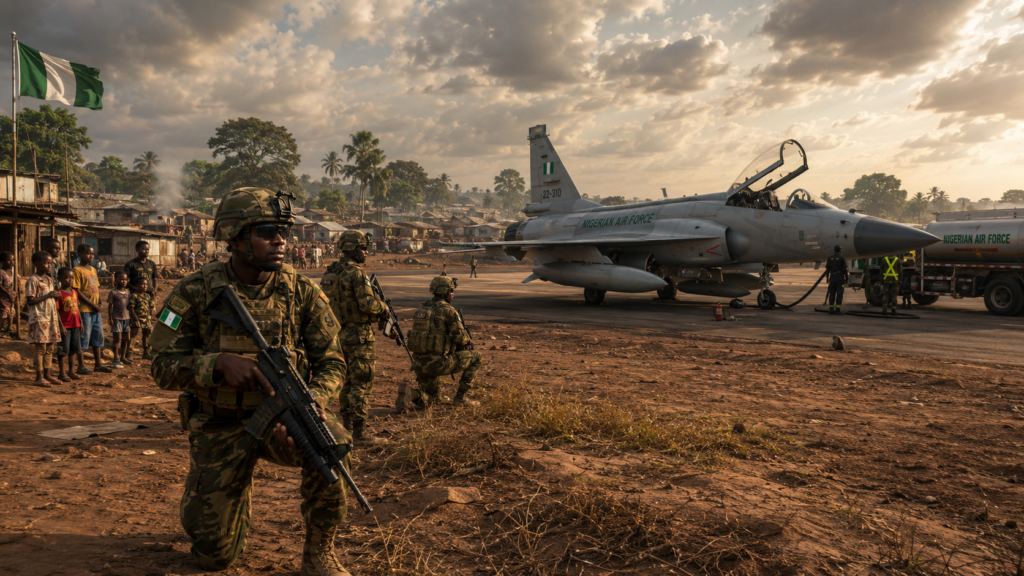
Hollow Ranks & Ghost Soldiers: Nigeria’s Corruption-Fueled Security Collapse
Published: May 11, 2026 Nigeria’s worsening security crisis is, at its core, a story of military breakdown. The Islamic State West Africa Province (ISWAP) overran at least 15 military bases in 2025, captured and executed a brigadier general, and deployed armed drones that outmatched the defending units. The pattern of base overruns, mass desertions, and […]
A Counterintelligence Profile: Are High-Fliers Ready?
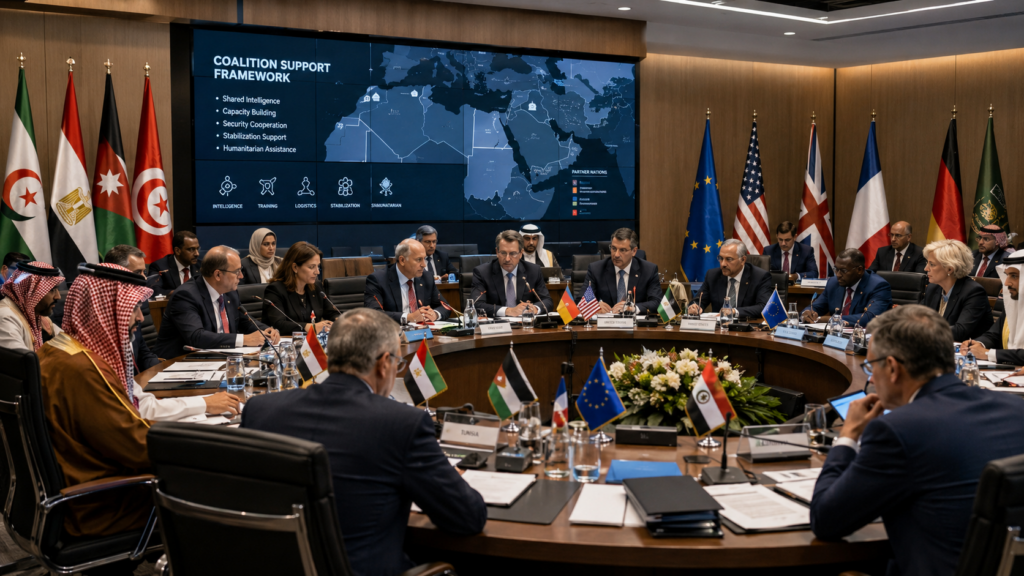
Published: May 7, 2026 For the geopolitics of the Middle East and North Africa (MENA), it is a time of great anxiety. With the non-Arab actors engaging in another tense series of regional infighting, coercive diplomacy and modern warfare have halted episodic interventions from the Arab counterparts. The MENA high-fliers have moved from their traditional […]
From Bilateralism to Multilateralism: Washington’s Push for Strategic Stability Through the P5
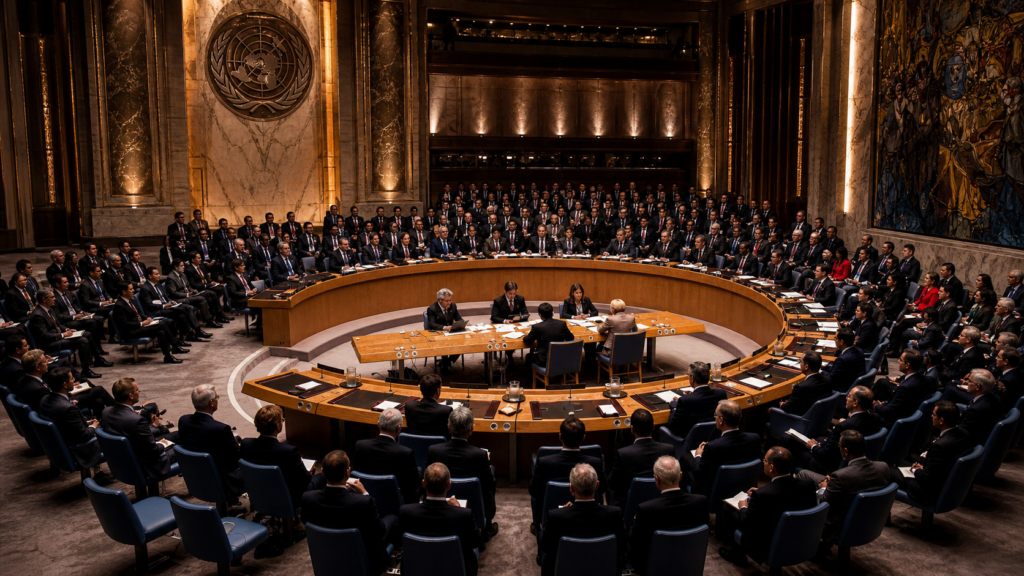
Published: May 5, 2026 With the New START’s expiration on February 5, 2026, the world has entered a new era in nuclear arms control, reflecting the evolving realities of the contemporary nuclear order. The United States believes that nuclear limits on warheads and launchers imposed under the New START no longer serve its interests, or […]

Yes, You Can Be a Feminist and Still Support Nuclear Deterrence
Published: May 4, 2026 In 1987, acclaimed feminist researcher Carol Cohn released a scathing gendered critique of Cold War nuclear deterrence. Cohn argued that the ‘technostrategic,’ masculinized language used to discuss deterrence strategy was not accidental. It obscured moral responsibility, normalized violence, and made nuclear war more plausible. As one of the most influential pieces […]

The Pitfalls of Offensive Counterproliferation
Published: April 30, 2026 The nuclear Non-Proliferation Treaty (NPT) was intended to limit the spread of nuclear weapons, and it has achieved remarkable success. Since the treaty was entered into force in 1970, only three states have managed to acquire a nuclear weapons capability, namely India, Pakistan, and North Korea. The collective West initially opted […]
Trumping NATO
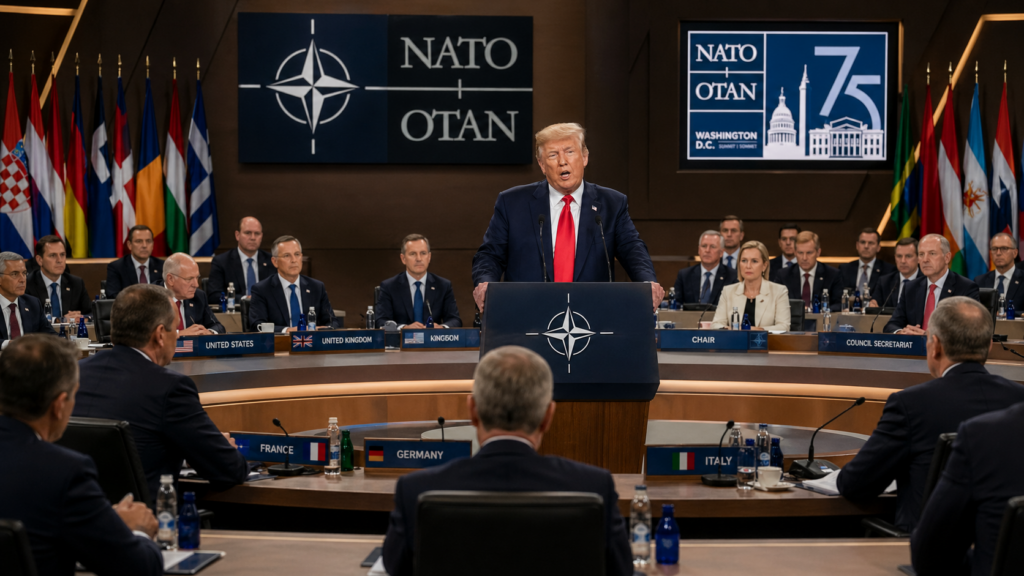
Published: April 28, 2026 Amid U.S. involvement in a war against Iran, President Donald J. Trump has decided to double down on previous public expressions of disregard and distrust toward NATO. President Trump has threatened to withdraw the United States from NATO several times since his reelection. His repeated jibes at the alliance have raised […]

Silent Signals: Russian and Chinese Conventional Threats to NC3 and U.S. Extended Deterrence in Australia
Published: April 27, 2026 Introduction Russia’s recent deployment of a conventionally armed, diesel-powered submarine to Indonesia should not be dismissed as routine naval activity. It is a calculated strategic signal. One that highlights a growing challenge for Australia and calls into question the resilience of U.S. extended deterrence in the Indo-Pacific. While such deployments fall […]
Assessing the Credibility of Manned Platforms in Contemporary Drone-Rich Combat Environment
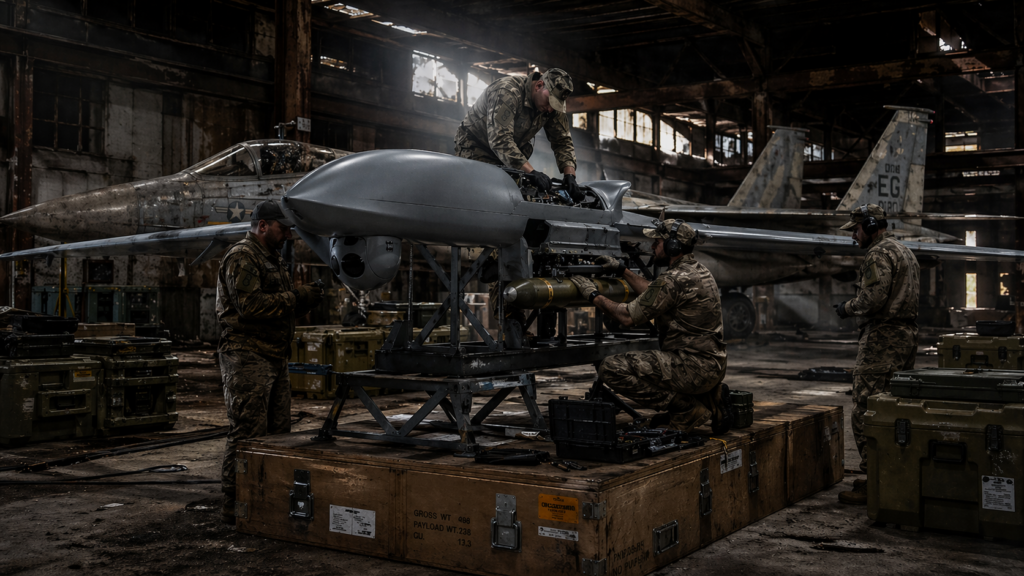
Published: April 23, 2026 Proliferation of unmanned systems in modern warfare has popularized the notion that traditional platforms have reached the end of their operational relevance. Particularly, the Russia-Ukraine war has deepened the perception that small, agile, and inexpensive drones have rendered manned platforms in land, air, and sea domain obsolete. This argument gains credibility […]
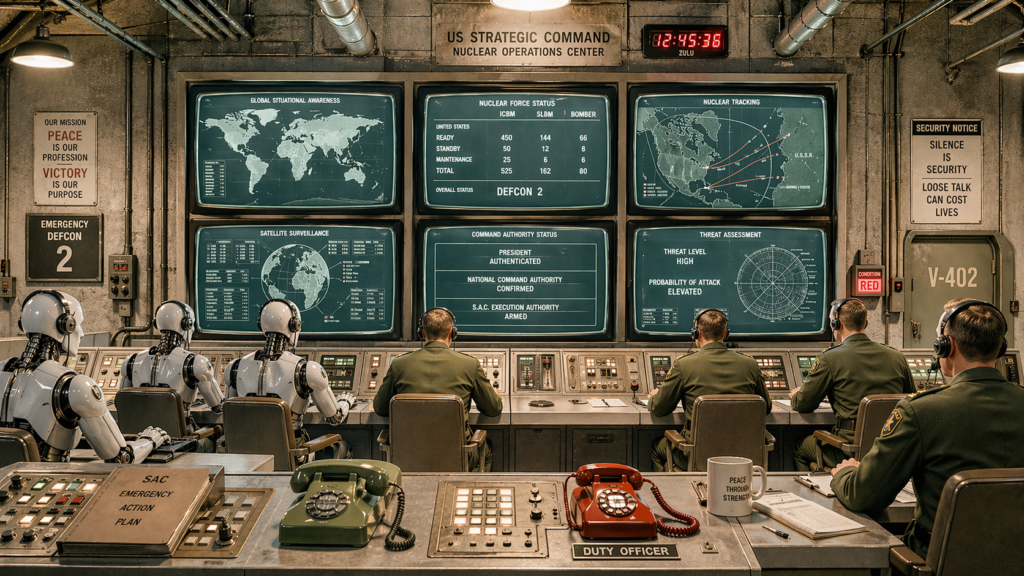
Nuclear Deterrence in the Age of Emerging Technologies
Published: April 21, 2026 The amalgamation of emerging technologies and nuclear weapons systems is significantly impacting the landscape of strategic stability. The primary problem associated with such technologies is their dual-use nature, such as Artificial Intelligence (AI), hyper sonics, quantum computing, and cyber warfare. These technologies are evolving more rapidly than the treaties meant to […]

Rising Security Threats in West Africa and Regional Responses
Published: April 20, 2026 West Africa has experienced an increasing number of national security challenges over the past two decades. Violent extremism, political instability, transnational organized crime, and maritime insecurity have created complex threats that undermine governance, economic development, and regional stability. According to the United Nations Africa Renewal, instability in the Sahel has become […]

Iran’s Missile-Drone Campaign and Its Implications for the United States’ Deterrence
Published: April 16, 2026 The ongoing conflict involving Iran, the United States, and Israel has produced one of the most significant case studies in the evolution of contemporary warfare. Iran, a state that lacks a competitive air force and possesses limited naval power, has demonstrated that ballistic missiles, cruise missiles, and unmanned aerial systems can […]
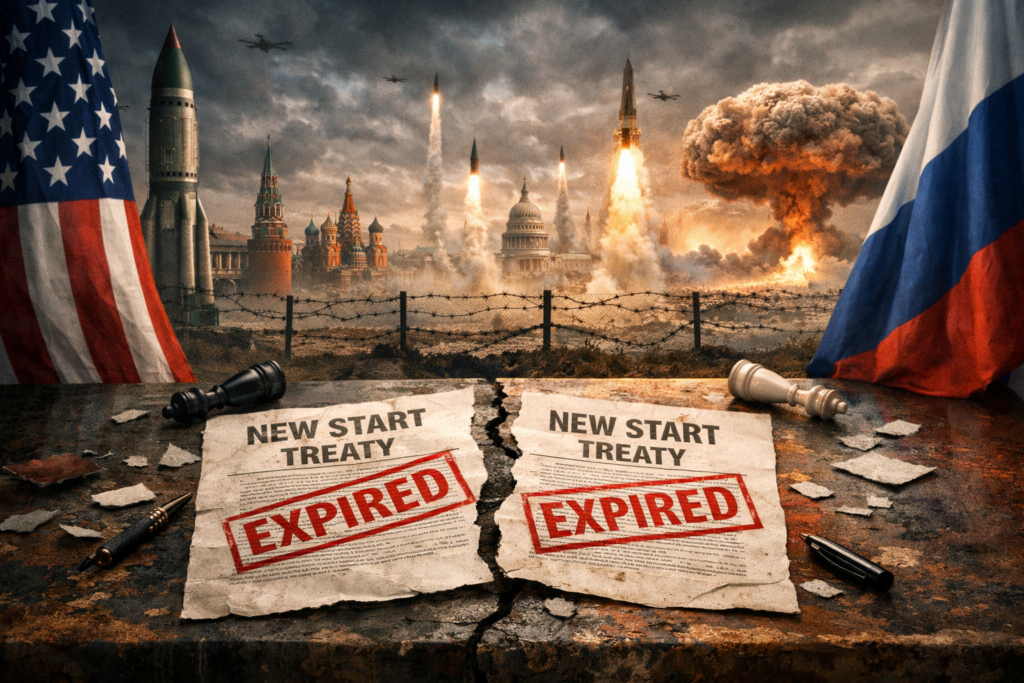
Beyond New START: Prospects for U.S.–Russian Nuclear Arms Control
Published: April 14, 2026 For more than half a century, U.S.–Russian nuclear arms control has served as a central mechanism for managing strategic competition. Beginning with the 1972 Strategic Arms Limitation Talks (SALT I), successive agreements institutionalized transparency, predictability, and mutual restraint. New START, which entered into force in 2011, represents the culmination of this […]

Can the Balkans Fight Corruption Without Weakening Due Process?
Published: April 13, 2026 Judicial reform for many post-socialist countries is an ongoing process. The fall of the Soviet Union in 1991 saw several Eastern European states embark on a journey to integrate into the EU, facing extensive pressure to conform to more stringent standards of judicial independence and rule of law. Anti-corruption campaigns have […]
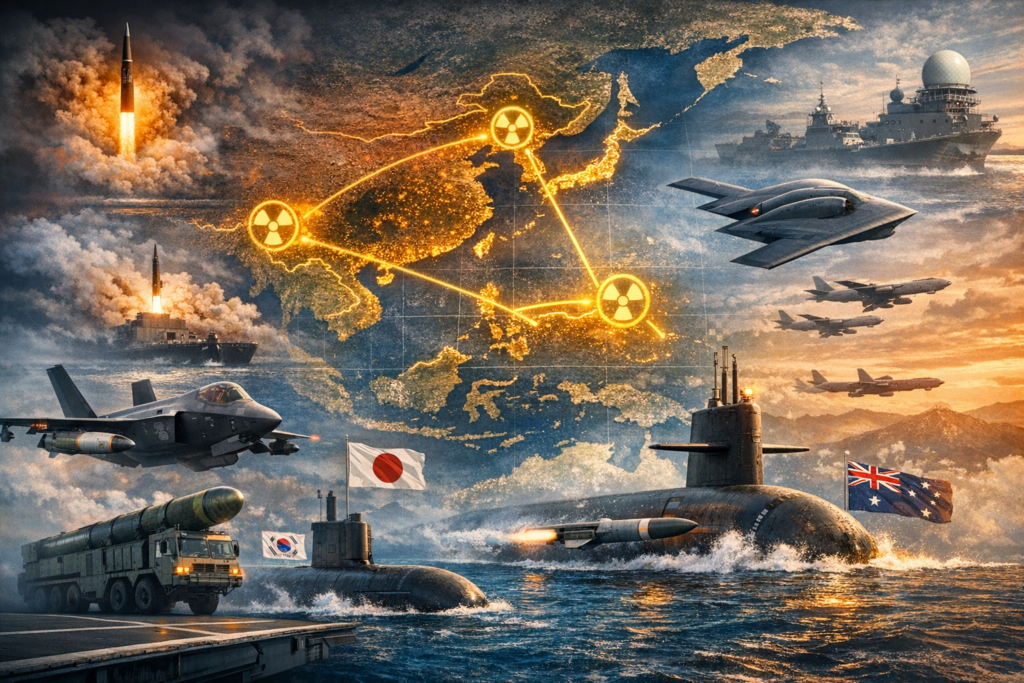
Beyond a Pacific Defense Pact 4: Blueprint for an Indo-Pacific Nuclear Alliance
Published: April 9, 2026 The Indo-Pacific is rapidly emerging as the central theatre of global strategic competition. Unlike the Cold War in Europe, where nuclear deterrence involved two superpowers across relatively defined front lines, the Indo-Pacific presents a far more complex landscape. The region spans vast maritime distances, multiple potential flashpoints, and several nuclear-armed adversaries. […]

From Shaheds to Strait Control: Why Iran Can Still Influence Global Trade
On Saturday, the 14th of March 2026, President Donald Trump stated that the United States had destroyed ‘100% of Iran’s military capability’. If there is one thing that the war in Ukraine has taught, it is that when properly motivated, a state can scale its wartime arms production with serious speed. President Trump may have […]

Beyond a Pacific Defense Pact 2: Gray zone campaigns and activities conducted by China, North Korea, and Russia in the Indo-Pacific
Published: April 6, 2026 Strategic competition in the Indo-Pacific is increasingly taking place in the “gray zone”—the space between routine state competition and open warfare. Rather than relying solely on conventional military confrontation, states are employing hybrid tactics such as economic coercion, cyber operations, disinformation campaigns, and limited military provocations to gradually shift the strategic […]
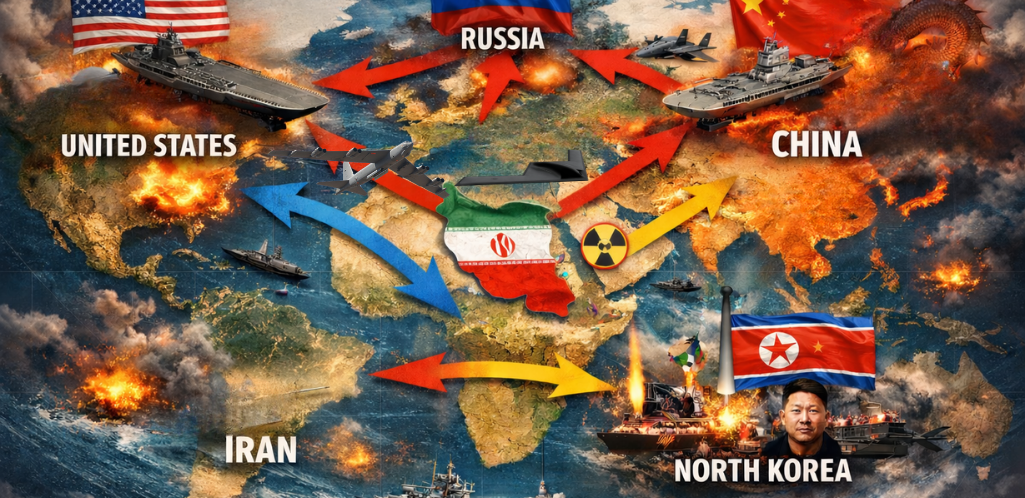
Reciprocity in Deterrence, Not Just Trade
Published: April 2, 2026 On December 23, 2025, the Pentagon released its annual 2025 China Military Power Report to Congress—a reminder that America is still trying to deter tomorrow with yesterday’s force. The report assesses China’s stockpile stayed in the low 600s through 2024 but remains on track to have over 1,000 nuclear warheads by […]

Lethal Autonomous Weapon Systems: A New Battlefield Reality
Published: March 31, 2026 Technological advances and rising military expenditures in recent years have accelerated the development of Lethal Autonomous Weapon Systems (LAWS). Though this technology is still in its infancy, it has already transformed modern warfare. LAWS, when fully evolved, will provide means for precise and independent selection and engagement of targets without exposing soldiers to […]

Deterrence on Layaway: A Shutdown’s Quiet Assault on American Security
Published: March 30, 2026 A nation does not need to lose a battle to look weak. Sometimes it only needs to miss a paycheck. Washington often treats budget shutdowns as partisan spectacle, but America’s adversaries see something far more useful: a live demonstration of self-inflicted fragility. When the federal government allows frontline security personnel to […]
Beyond a Pacific Defense Pact 3: A Nuclear Alliance as the Ultimate Backstop to Grey Zone Coercion
Published: March 26, 2026 Strategic competition in the Indo-Pacific increasingly occurs in the grey zone, the space between routine statecraft and open armed conflict. China, North Korea, Russia, and Iran employ a range of coercive tactics designed to alter the strategic environment without triggering a conventional military response. These activities include cyber operations, maritime harassment, […]

Redefining Espionage: The Unseen War for Technological Dominance
Published: March 24, 2026 The international system is undergoing a profound global power shift characterized by the resurgence of great power competition and a broad diffusion of technical capabilities. This environment is intensifying security competition across all domains. Concurrently, the proliferation of artificial intelligence (AI) and other disruptive technologies has fundamentally transformed espionage and defense. […]
A Blueprint for Deterring War Over Taiwan
Published: March 23, 2026 Two parties have watched Operation Epic Fury (OEF) from a distance. China has been taking notes. The United States Indo-Pacific Command (INDOPACOM) has tracked munitions consumption rates of U.S. Central Command (CENTCOM). Both the PRC and INDOPACOM know that what is happening above, in, and around Tehran will impact Beijing’s plans […]

State-Sponsored Trolls as An Emerging Threat
Published: March 19, 2026 The digital public square has transformed how Americans encounter information, debate ideas, and form political identities. Social media platforms promise open dialogue, but their algorithms often reward emotionally charged content, amplifying voices that confirm what users already believe. In this environment, misinformation spreads quickly, and communities increasingly cluster around shared narratives […]

Why Ideology Matters in Irregular Warfare
Published: March 17, 2026 Ideology matters, as I learned from surviving 18 years under the Chavista regime in Venezuela. The United States pretended otherwise for three decades, clinging to the “end of history” and similar dreams. Today, with ideologically driven conflicts simmering around the world, it is time for America to integrate deterrence, defense, and […]

Why Washington Has Turned to Pakistan—and What It Means for India
Published: March 16, 2026 In the summer and fall of 2025, Washington’s decision-makers faced an urgent question: which partners could act immediately and deliver tangible results? This focus on short-term capability, rather than potential or size, has brought Pakistan back into the spotlight of U.S. foreign policy. Its importance today is tied not to historical […]

Is The Air Campaign Against Iran an Illegal Use of Force?
Published: March 12, 2026 Whenever the United States resorts to military force, the same question echoes through Washington and beyond: Did President Trump act within the law? Recent controversies surrounding the War Powers Resolution—especially the requirement to notify Congress—have only intensified that debate. This article steps aside from that familiar battleground. Instead, it asks a […]
Red Sea Uncertainty: A 2026 Forecast for the Houthis Actions
Published: March 10, 2026 (Editor’s Note: This article was submitted before the U.S.-Iran conflict began. We intentionally left the article as “forward looking” to signify the value of the analysis.) The Red Sea theater sits in a fragile equilibrium. Commercial shipping lines have cautiously begun returning to the Suez corridor after months of rerouting around […]

CARRIER, CHOKEPOINT, AND COERCION: THE DYNAMICS OF IRAN-US CONFLICT
Published: March 9, 2026 (Editor’s Note: This article was submitted before the U.S.-Iran conflict began. We intentionally left the article as “forward looking” to signify the value of the analysis.) After successful US regime-change operations in Venezuela, Washington is aiming for similar endeavor again, this time in Middle East against Iran. Mass mobilization of US […]
Beyond a Pacific Defense Pact: Why the Indo-Pacific Requires a Nuclear Alliance
Published: March 5, 2026 The Indo-Pacific is entering a far more dangerous strategic era. Military modernization, grey-zone coercion, and rapid nuclear expansion are reshaping the regional balance of power. Most notably, China is undertaking a historic expansion of its nuclear arsenal, investing in silo fields, road-mobile intercontinental ballistic missiles, ballistic missile submarines, and dual-capable systems. […]

Understanding the Third Nuclear Age: Why 2026 Matters
Experts call the current state of the world the third nuclear age, embodied by various emerging technologies. It is characterized by expanding nuclear arsenals, diminishing arms control agreements, and technological developments that have made it increasingly difficult to distinguish between war and catastrophic disasters. These changes necessitate not only an examination of the weapons being […]

Much Ado About Nothing: The Proliferation Debate Post Venezuela
The morning of January 3rd, 2026, a U.S. Army delta-force team conducted an operation in Caracas, Venezuela, capturing President Maduro and his wife. The operation comes in the wake of constant threats of regime change in Venezuela made by President Trump. Trump accuses the Maduro regime of supporting cartels that supply fentanyl to America, a […]
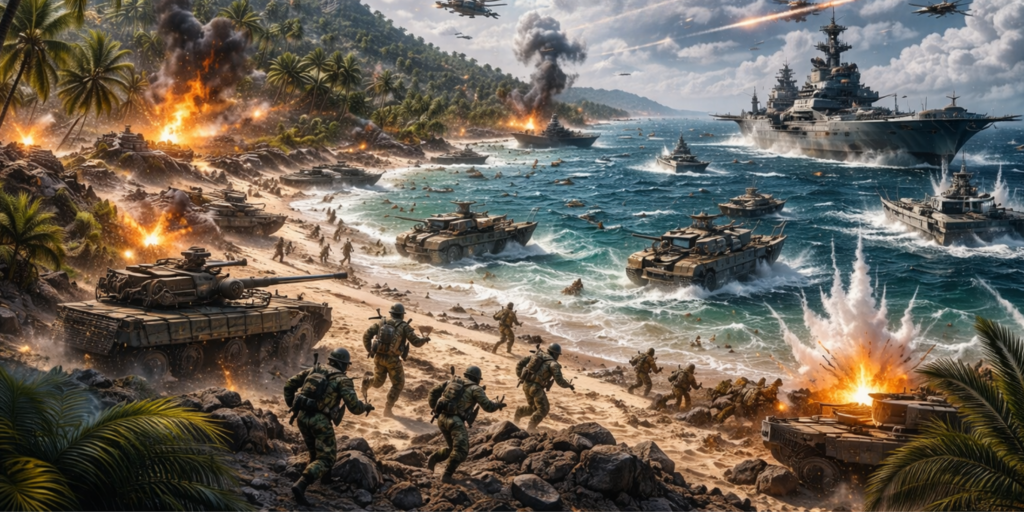
Late-Phase Failure and the Erosion of Military Effectiveness in Prolonged Conflict
Contemporary defense analysis largely focuses on the opening phases of conflict. Initial force posture, technological advantage, and early operational momentum dominate planning assumptions. However, experience from recent high-intensity wars suggests decisive failure often occurs later. Military effectiveness erodes as institutional stress accumulates, undermining operational performance and strategic deterrence. This highlights a critical gap in deterrence […]

Seizing the High Ground: The Case for U.S. Leadership in Space Mining
Since the Cold War, space has served as a powerful symbol of American identity. It is an arena where national pride, technological daring, and the spirit of exploration converge. It has embodied the same frontier ethos that once drove the settling of the West, while simultaneously showcasing the unity and resolve that defined U.S. competition […]

Learning to Love the Atom Again: Why the Future of Artificial Intelligence is Nuclear
Published: February 23, 2026 In his speech before the United Nations General Assembly on 8 December 1953, President Dwight Eisenhower proposed – in paraphrased terms- that the atom bomb be given to those who can “strip its military casing and adapt it to the arts of peace.” Commonly referred to as the ‘Atoms for Peace’ […]

An Identity Crisis in Europe’s Russian Frontier
A cultural feud over the legacy of the American Civil War has raged in the United States for over 150 years, pitting sympathizers of the Lost Cause against their opponents over historical monuments and symbols. A similar but lesser-known war over a different chapter in history has been raging in the city of Narva, in […]

BRICS: The Emerging Bloc That Threatens the Liberal International Order
How could a quiet sentence from Washington rattle an entire European nation? Newly installed in the Oval Office, Donald Trump caused Europe to hold its breath when, in one of his most baffling statements, he claimed that Spain was part of the BRICS. An apparent presidential slip-up was enough to shake an entire national government […]

India’s Deep Strategic Culture Beyond the Skies
From the 1957 Sputnik-1 satellite to more contemporary explorations such as NASA’s Artemis III program, space has become the high ground for state competition due to its multifaceted military and civilian applications. The behavior of states within the space domain mirrors the earthly quest for dominance to plant flags on the uncharted territories. Orbits have […]

Diplomacy in Great Power Competition and the Limits of Economic Statecraft
As contemporary rivals, the United States and China echo historical patterns of major competition between an established and a rising power, described within Graham Allison’s article, “The Thucydides Trap: Are the U.S. and China Headed for War?” Allison warns of an apparent tendency towards war when an emerging power threatens to displace an existing great […]

America’s Managed Retreat: How the 2025 U.S. National Security Strategy Shifts the Burden to Allies
The United States’ 2025 National Security Strategy (NSS) is a document that has been written under the shadow of economic strain and military overreach, and it raises the slogan of “America First” while shifting the burden to partners and allies. The document was presented as a thoughtful adjustment of American priorities and speaks the language […]
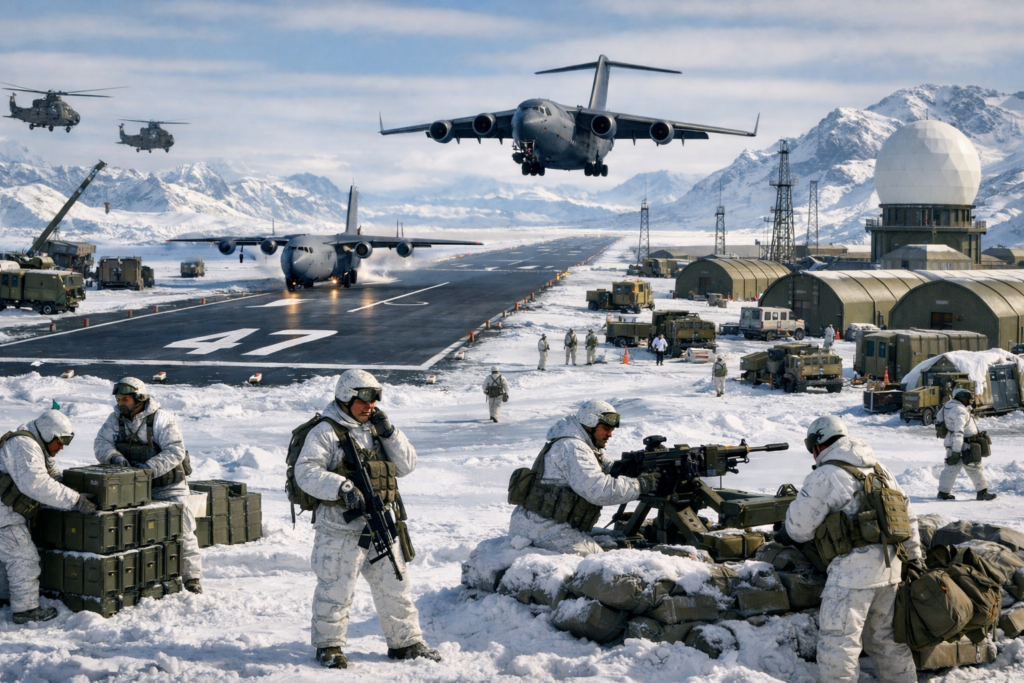
Greenland, Strategic Denial, and the Survivability of U.S. Nuclear Forces
Greenland’s strategic importance lies not in symbolism, climate change, or future economic potential, but in its role at the center of modern deterrence. The island anchors the ability of the United States and its allies to deny Russian and Chinese forces access through critical Arctic and North Atlantic air and sea gaps. That denial mission […]
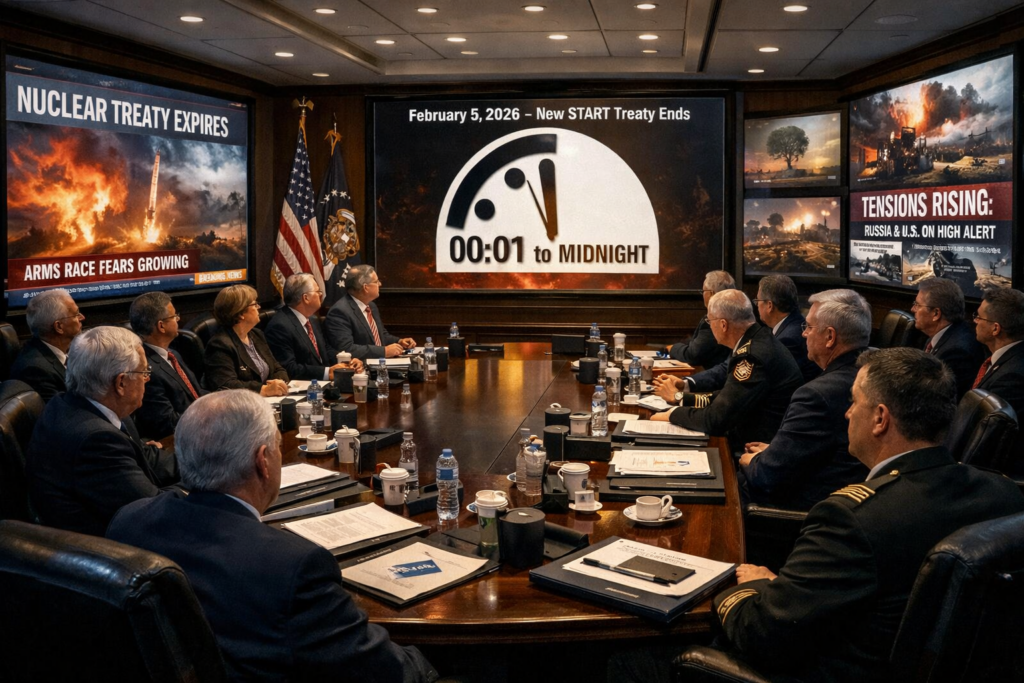
No Treaty, No Panic: Deterrence and Stability After New START
The expiration of the New START Treaty on February 5, 2026 has fueled concerns that, absent formal limits, uncertainty surrounding U.S. and Russian nuclear forces could generate instability and elevate the risk of arms racing or the threat of nuclear conflict. Although arms control agreements have historically been promoted as acts of transparency and predictability, […]
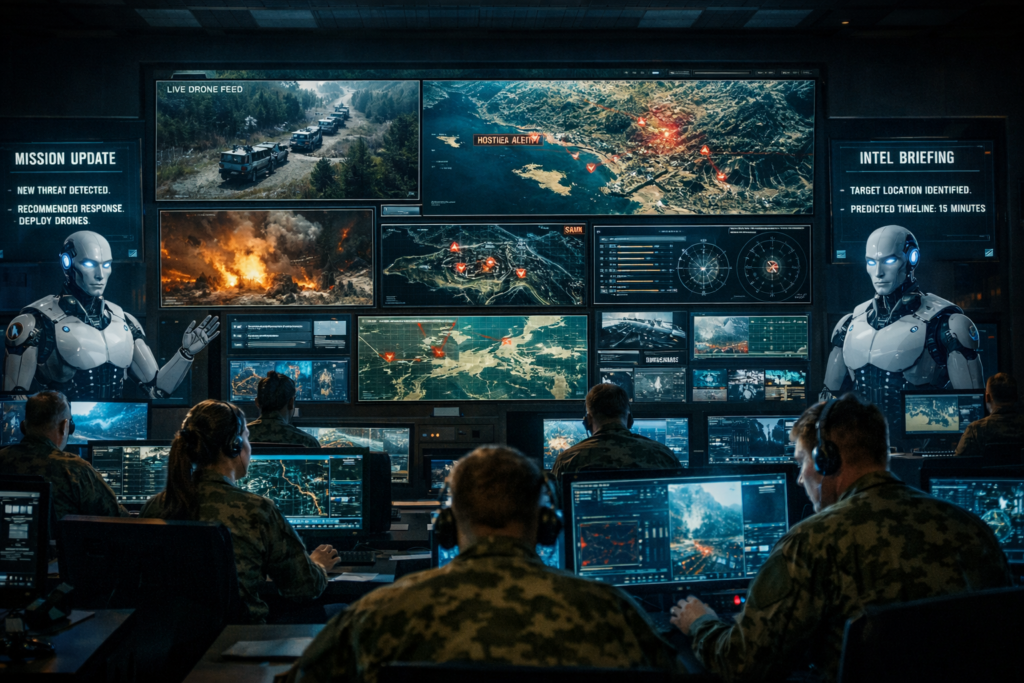
The Intelligence Illusion: How AI is Exposing Strategic Vulnerabilities in the Developing World
For decades, intelligence agencies in developing countries, especially in South Asia, have been portrayed as all-knowing, all-seeing, and deeply involved in every part of politics and security. Pakistan’s Inter-Services Intelligence (ISI) and India’s Research and Analysis Wing (RAW) are often mythologized as all-powerful institutions capable of shaping domestic politics and manipulating regional events. However, this […]
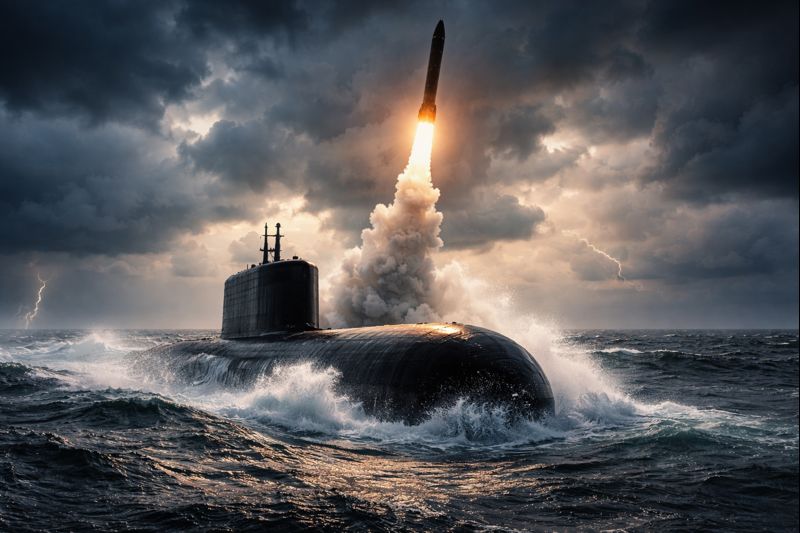
Fixing the House of Dynamite – An SLBM Crisis in East Asia
Netflix’s The House of Dynamite dramatizes a nightmarish scenario that feels uncomfortably plausible. An unidentified ballistic missile appears mid-flight over the Pacific, while the time for decision-making is compressed and attribution is unclear. The U.S. responds by firing two ground-based interceptors (GBIs) from Alaska, but they fail. As a result, the president faces the most […]